

Introduction
Planning an event is like assembling a puzzle, every piece matters. From the tablecloths to the lighting, it all counts. But here’s one thing often overlooked until the last minute – the catering cutlery.
Without the right cutlery, even the most beautifully plated meal can feel incomplete. Whether you are hosting a posh wedding, a corporate lunch, or a garden BBQ, having the correct catering supplies is key to pulling it all off smoothly.
Let’s dive into how you can build a foolproof catering cutlery checklist, so you’re not caught off guard when it matters most.
Why Catering Cutlery Matters
You might be thinking, “It is just cutlery – as long as people can eat, it’s fine.” But think again.
Cutlery is part of the presentation. The right set doesn’t just help your guests eat – it enhances their whole dining experience. Imagine eating filet mignon with a plastic fork. Not quite the same, is it?
The quality and style of your catering cutlery also speak volumes about your event. Clean, elegant cutlery can elevate a meal and create a good impression.
The Basics of Catering Cutlery
At its core, catering cutlery includes knives, forks, spoons, and serving utensils specifically chosen for professional or large-scale food service. It is designed not only for function but also for appearance and durability.
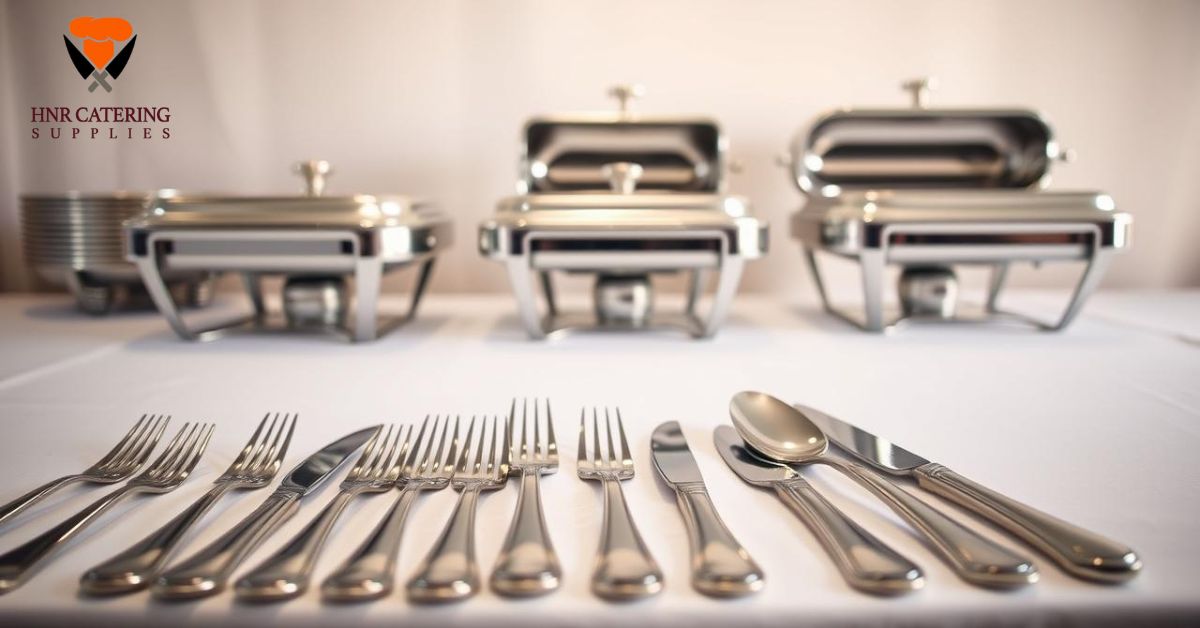
Different from regular kitchen utensils, catering supplies tend to be more standardized, attractive, and able to support repeated use or high guest counts.
Catering Types of Cutlery
Starter Cutlery
Think smaller knives and forks – often lighter and more delicate. These are used for salads, starters, and small plates.
Main Course Cutlery
Normal sized knives and forks designed to get the job done during the main course. These ought to be firm but not uncomfy to grasp.
Dessert Cutlery
From cake forks to dessert spoons, sweets just taste that little bit nicer with the correct equipment. Even better if it all matches your rest of cutlery.
Serving Utensils
Don’t forget the behind-the-scenes heroes – serving spoons, tongs, and ladles are essential for buffet-style events or shared dishes.
Specialised Cutlery
Hosting seafood or steak? You’ll need oyster forks or serrated steak knives. These small details make a big difference.
Material Options and Aesthetics
Cutlery is available in all shapes and finishes – but what is best for you?
- Stainless Steel: Tough, easy to clean, and ideal for black-tie occasions.
- Plastic/Disposable Cutlery: Perfect for casual gatherings or alfresco settings, though usually not environmentally friendly.
- Gold or Black Finishes: For a luxury or themed aesthetic.
Coordinate your cutlery to your events theme. A country wedding? Wooden cutlery might be quaint. A formal gala? Shiny silver throughout.
Event Types and Cutlery Needs
Okay, let’s get into it:
Weddings: Several courses = several sets per person.
- Corporate Lunches: Minimal cutlery with clean lines usually is the best.
- Outdoor BBQs/Picnics: Heavy-duty, occasionally disposable, easy-to-clean cutlery.
- Formal Dinners: Complete cutlery setup with individual forks and knives per course.
Personalize your cutlery to not only fit the menu but the atmosphere.
How Many Pieces Do You Need?
There’s no one-size-fits-all answer, but here’s a quick formula:
(Guests x Number of Courses) + 10% extra
Always overestimate slightly. People drop things. Some folks use a fresh fork for dessert. Spares save the day.
Hygiene and Storage Considerations
Before the event, cutlery must be sanitised and polished – especially if it’s been in storage or rented.
Afterwards, ensure they’re stored in dry, clean containers. Use fabric wraps or compartmentalised boxes to prevent scratches and cross-contamination.
Renting vs Buying Catering Cutlery
Renting
- Cost-effective for one-off events
- No need to worry about storage
- Often includes cleaning service
Buying
- Ideal if you host events regularly
- Customisable and personal
- Long-term investment
Tip: If you’re an event planner, owning your own catering supplies might be worth it.
Where to Source Quality Catering Supplies
Always choose reputable UK catering supplier (HNR Catering Supplies). Look for:
- Customer reviews
- Clear pricing
- Quality assurance
- Flexible delivery options
Websites like Nisbets or Alliance Online are top choices for professionals.
Common Mistakes to Avoid
- Forgetting dessert cutlery: It happens more often than you’d think.
- Mismatched sets: Looks messy and unprofessional.
- Too little for staff or servers: Remember, they need to eat too!
Make a list and double-check it. You’ll thank yourself later.
Tips for Packing and Transporting Cutlery
- Use plastic bins with dividers
- Label everything by type
- Wrap each set in cloth or paper napkins
- Keep extras in a separate “emergency” kit
If you’re hiring a van or vehicle, secure the cutlery box to avoid spillage.
Eco-Friendly Cutlery Options
Going green? Consider:
- Bamboo cutlery – sturdy and biodegradable
- Compostable corn-starch cutlery – good for hot foods
- Reusable stainless steel – sustainable in the long run
It’s better for the planet and shows your guests you care.
Creating Your Catering Cutlery Checklist
Here’s a basic template to work from:
Cutlery Checklist:
- Starter forks and knives
- Main course knives and forks
- Dessert spoons and forks
- Teaspoons (for coffee/tea service)
- Serving spoons/tongs
- Bread knives
- Butter knives
- Seafood tools (if applicable)
- Steak knives (if applicable)
- Extra sets (10-15% over count)
- Cleaning cloths
- Storage trays/boxes
Adjust this list to fit your event size and menu.
Conclusion
When it comes to event planning, it’s the little details that leave a big impression. Your catering cutlery might not be the first thing guests notice – but if it’s missing or mismatched, they’ll definitely remember.
By taking the time to plan, source, and prepare the right catering supplies, you’ll create a seamless dining experience that your guests won’t stop talking about.
Don’t leave it to chance – print that checklist, prep ahead, and go make your event shine.
FAQs
1. What’s the difference between catering cutlery and regular cutlery?
Catering cutlery is designed for events and large-scale service. It’s often more durable, uniform, and aesthetically cohesive.
2. How much cutlery do I need for a wedding of 100 guests?
It depends on the courses, but a safe estimate is around 300-400 pieces including spares.
3. Can I rent cutlery if I’m on a tight budget?
Absolutely! Renting is a cost-effective option, especially for one-time events.
4. Are there eco-friendly alternatives to plastic cutlery?
Yes – bamboo, compostable, and even reusable stainless steel are great green choices.
5. What should I do if I forget to bring enough cutlery on the day?
Have a small emergency stash or know a local supplier who can do same-day delivery. Always pack a few extras just in case.